Southern Spain Extreme
Southern Spain, Spain
9 days
by Edelweiss Bike Travel
€3,620 / person
Discover motorcycle tours in Spain
Popular landmarks and destinations in Spain
Spain is where European riders go when they want mountain roads without the Alpine traffic. There's more altitude here than most people expect, the road network has been rebuilt over the last twenty years, and the season stretches from March to November. Two regions dominate the touring map: Andalusia in the far south and the Pyrenees along the French border.
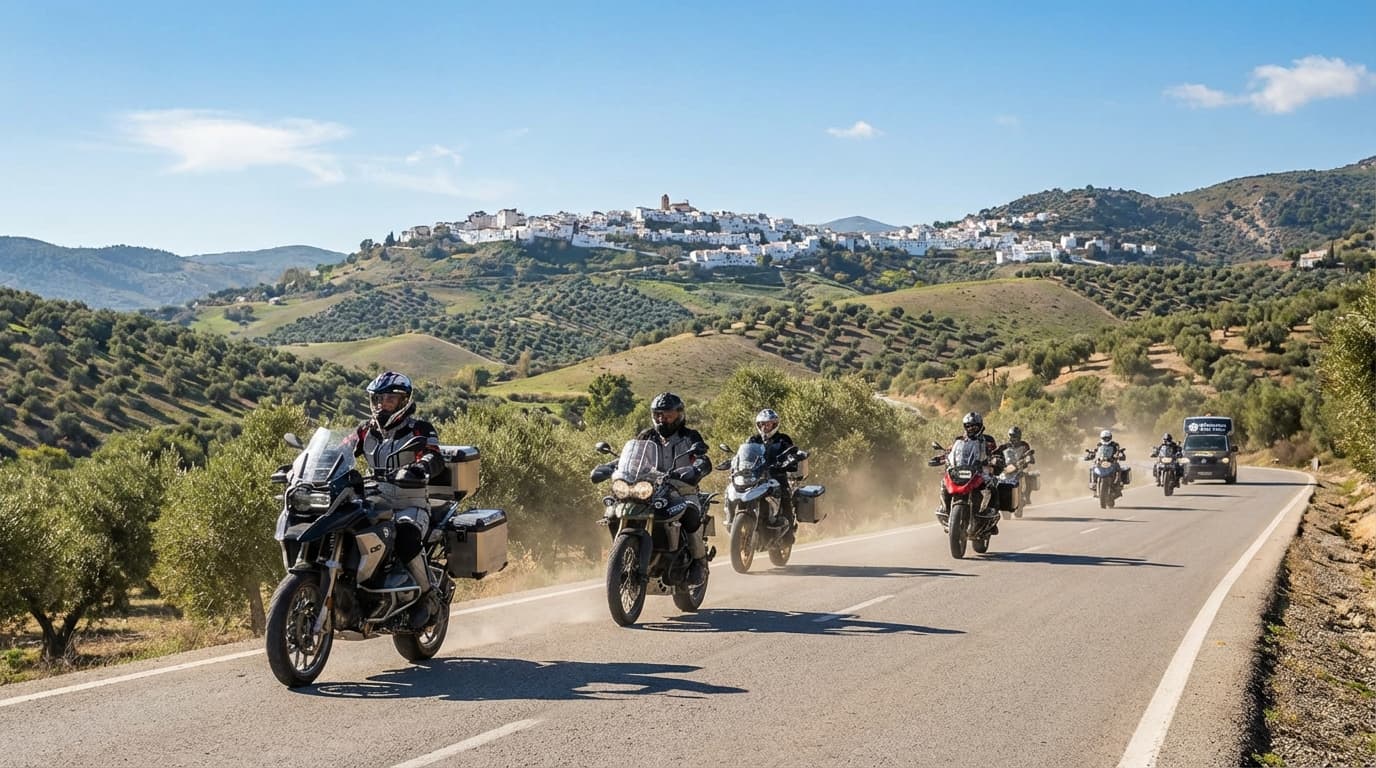
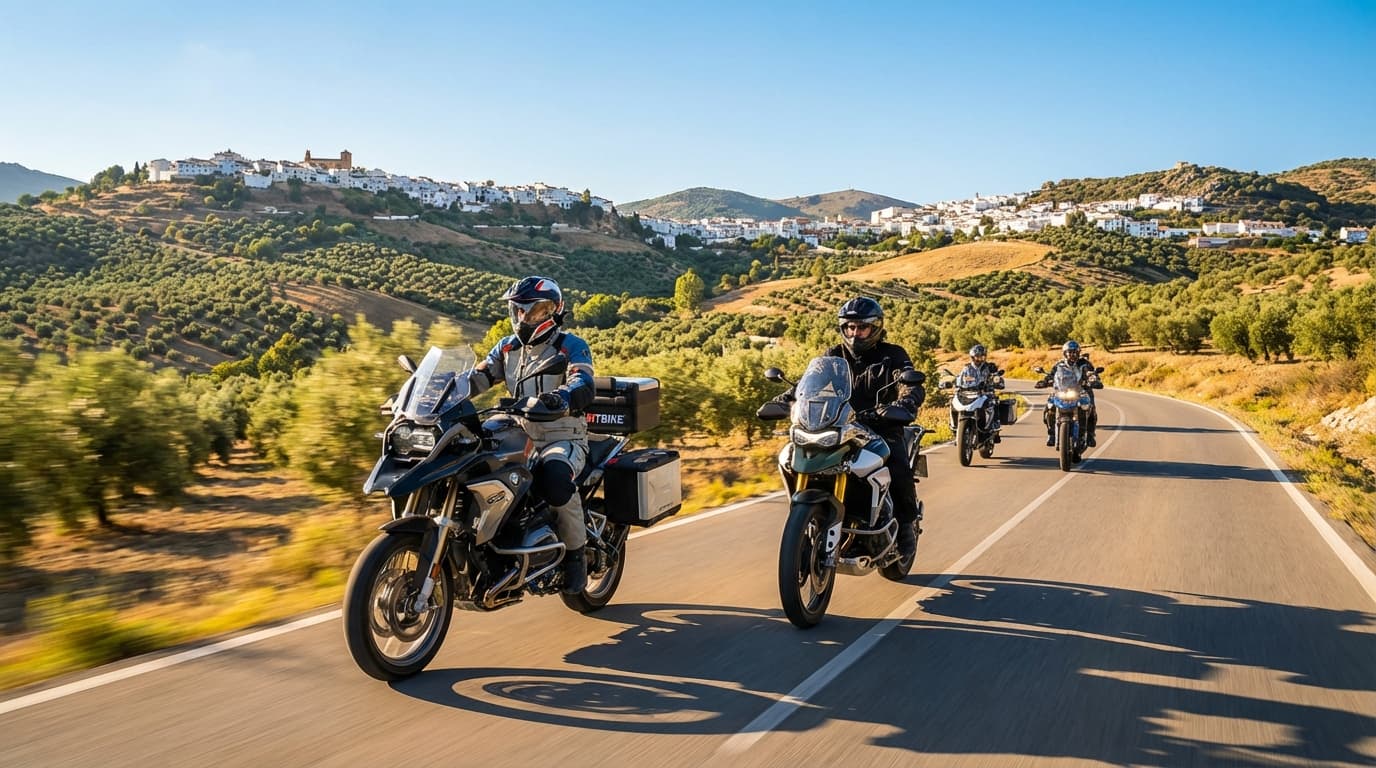
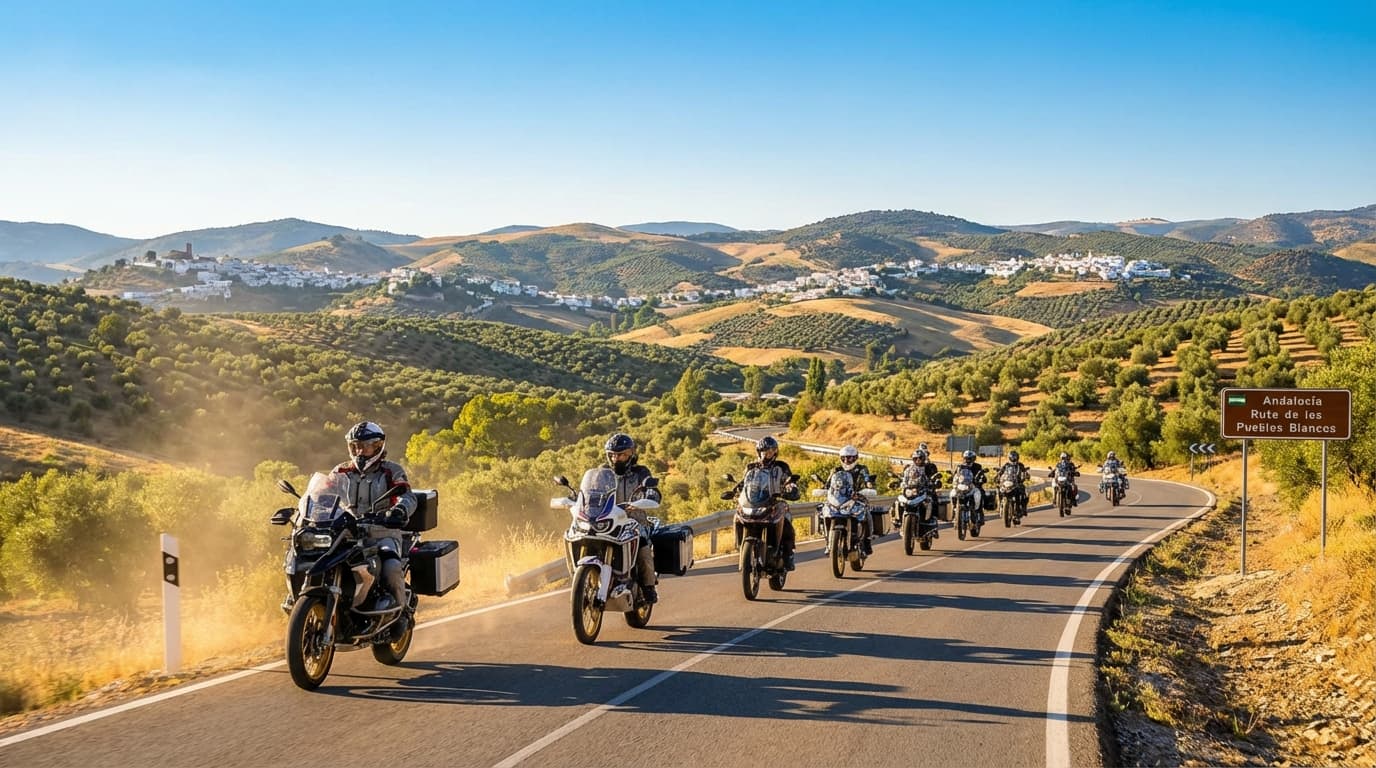
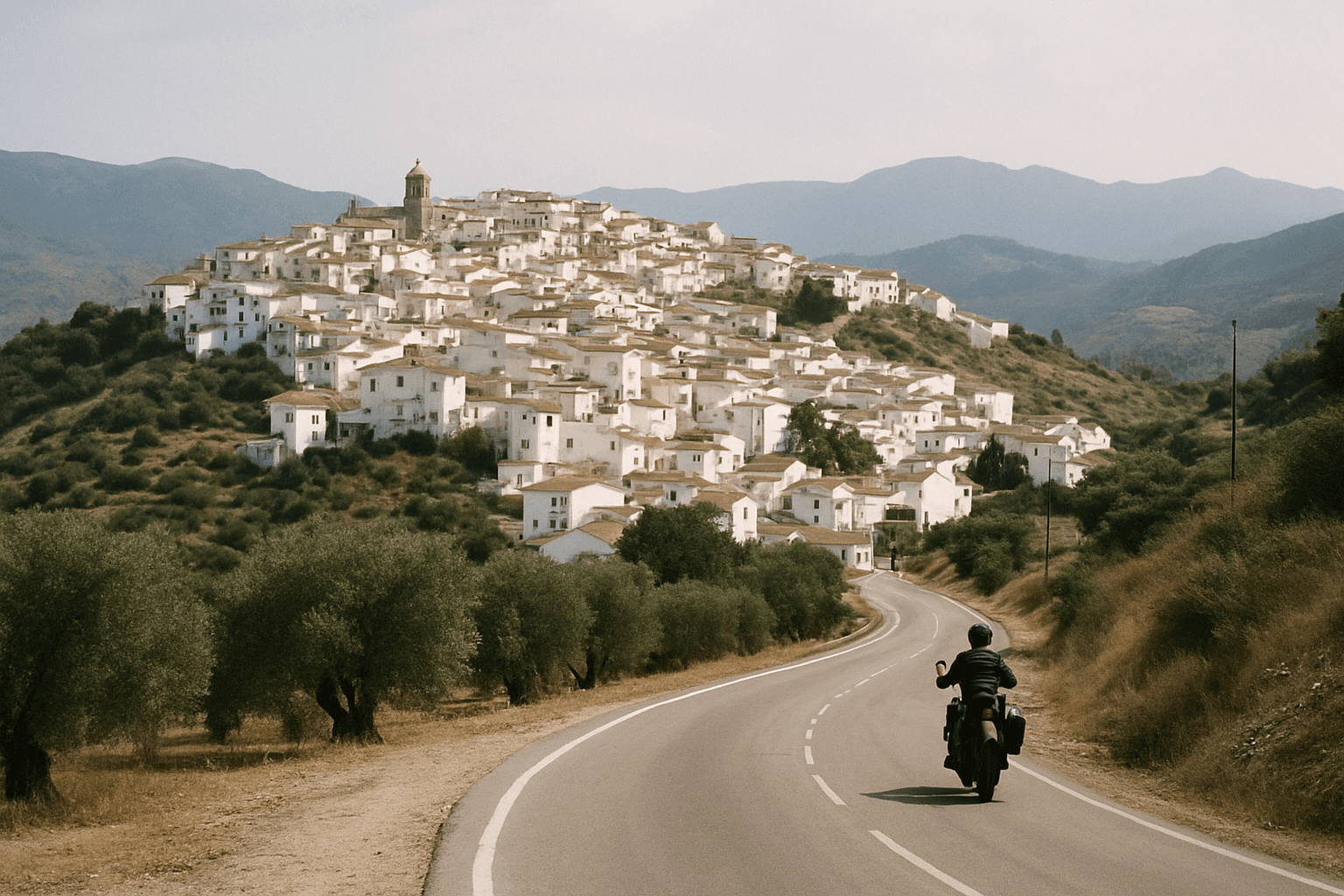
Andalusia is the sun-and-white-villages half. The classic circuit strings together Malaga, Ronda, Seville, Cordoba and Granada, and every leg has a proper road attached to it. The climb inland from the coast to Ronda is a stack of fast, well-surfaced sweepers through the Serranía. The Sierra de Grazalema beyond it is tighter and greener, and it's one of the wettest corners of Spain, which is why the tarmac stays dark and grippy. East of Granada the Sierra Nevada has Europe's highest paved road, and the Alpujarras below it wind through terraced villages that look more Moroccan than Spanish. Push southeast for the desert badlands and volcanic capes of Cabo de Gata, or southwest for Atlantic wind and the beaches at Tarifa and Cadiz, with the Moroccan coast visible across the strait.
The Pyrenees are the other Spain: colder, higher, more technical. The N-260, signed as the Eje Pirenaico, crosses the range from Portbou on the Mediterranean to Sabiñánigo in Aragon, and it's essentially a several-hundred-kilometre chain of mountain passes. The Port de la Bonaigua on the C-28 tops out at 2,072 metres between Esterri d'Àneu and the Val d'Aran, and the valleys either side of it (Ordesa, Benasque, Pallars) are full of dead-end roads worth riding purely for their own sake. Cross into France for a day and the Tourmalet and Aubisque are within easy reach, which is why so many Pyrenean tours base themselves near the border and treat it as a formality.
There's more beyond those two. Central Spain hides fast, empty roads across the meseta and the Sierra de Gredos. The north coast through the Basque Country, Cantabria and Asturias is green, wet and lined with mountain roads dropping to the sea. Spain is also the staging post for Morocco: several operators run Moroccan tours that start and finish in Malaga, riding down through Andalusia to the ferry.
The practicalities are easy. Fuel and accommodation are everywhere, roads are well signed, and rental fleets are broad: BMW, Ducati, Triumph, Honda, KTM, Yamaha and Harley-Davidson are all commonly available. Skip the autopistas. They're tolled and dull, and the parallel national roads are almost always the better ride.
Season shapes the route more than the calendar does. April to June and September to October are the sweet spots nationwide. In July and August inland Andalusia routinely bakes past 40°C, which pushes sensible riders north into the Pyrenees or onto the Atlantic coast. Winter closes the highest Pyrenean passes but leaves the southern coast perfectly rideable, and that's why Andalusian tours run far later into the year than most of Europe.
3 tours found
The best time to visit Spain for motorcycle touring is during the spring (April to June) and autumn (September to October). The weather is generally mild and sunny, making for comfortable riding conditions. The crowds are also smaller during these months, allowing you to enjoy the scenery and attractions without the summer rush.
You will need a valid motorcycle license from your home country. An International Driving Permit (IDP) is recommended, especially if your license is not in English or Spanish. You will also need your motorcycle's registration documents and insurance certificate. Make sure your insurance covers you for riding in Spain.
The road conditions in Spain are generally very good, especially on major highways and motorways. However, some smaller roads in rural areas may be narrower and more winding. Be prepared for varying road surfaces, especially in mountainous regions. It is always a good idea to check the weather forecast before you set off, as conditions can change quickly in the mountains.
Some popular motorcycle routes in Spain include the Transpirenaica, a challenging ride across the Pyrenees Mountains, the Ruta de la Plata, a historic Roman road that runs from north to south, and the Andalusian Coast Road, which offers stunning views of the Mediterranean Sea. The Picos de Europa also offer fantastic riding.
Always wear appropriate safety gear, including a helmet, jacket, gloves, and boots. Be aware of local traffic laws and regulations. Ride defensively and be prepared for unexpected hazards. Take regular breaks to avoid fatigue. Stay hydrated and protect yourself from the sun. Be especially careful when riding in mountainous areas, as the roads can be narrow and winding.
Spain is a country with a rich culture and delicious cuisine. Expect to encounter vibrant cities, historic landmarks, and friendly people. Be sure to try local specialties such as paella, tapas, and jamón ibérico. The Spanish are known for their relaxed lifestyle, so take your time and enjoy the experience. Many businesses close for siesta in the afternoon, so plan accordingly.